

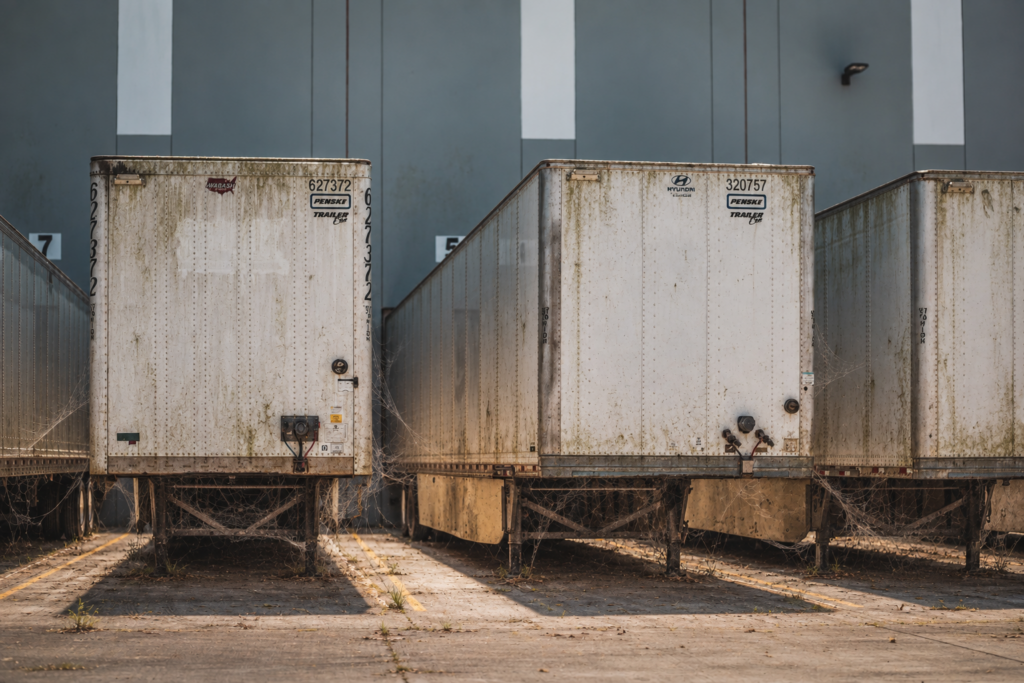
Truck wait times increase transportation costs, frustrate drivers, and limit overall yard capacity. As warehouse and 3PL operations get busier, delays at gates, docks, and staging areas become more common. These delays can quickly create bottlenecks and increase dwell time.
Reducing truck wait times requires more than speeding up individual processes. Operations need to identify where delays occur and coordinate truck arrivals with available dock capacity. Teams also need real-time visibility across the yard.
This article explores three practical ways to reduce truck wait times in warehouse yards.
1. Identify the Real Causes of Truck Wait Times
Before trying to reduce truck wait times, it is important to understand where delays actually occur. Bottlenecks can develop at different stages of the yard process. Addressing the wrong one may simply shift the problem elsewhere.
Common causes of long truck wait times include:
- Slow gate check-in and check-out.
Paper-based logs, incomplete arrival information, or unclear procedures can force gate teams to spend extra time verifying details and coordinating next steps. - Unclear trailer locations and yard layout.
When yard drivers have to search for trailers or containers, valuable time is lost. Poorly defined zones and inconsistent parking practices can make these delays even worse. - Dock congestion and misaligned resources.
A truck may arrive on time while its assigned dock is still occupied or the required team and equipment are unavailable. Without coordination between arrivals, dock capacity, and resources, trucks can end up waiting unnecessarily.
A simple process analysis can help reveal where these delays originate. Track the truck journey from gate arrival to dock assignment, loading or unloading, and departure. Useful metrics include gate processing time, arrival-to-dock time, dock dwell time, and total time spent on site.
Comparing these metrics helps teams identify recurring bottlenecks instead of relying on assumptions. Yard management software can make this easier by digitally recording yard movements, processing and dwell times, and operational KPIs in one system.
Once the root causes are visible, teams can focus improvements where they have the greatest impact.
2. Improve Dock Scheduling and Yard Coordination
Once the main causes of delays are understood, the next step is to better align truck arrivals with available dock capacity. Effective dock scheduling helps distribute workload throughout the day and prevents too many trucks from competing for the same resources at the same time.
Many warehouses and 3PL operations still rely on emails, shared calendars, or ad hoc changes to coordinate appointments. As volumes increase, this can lead to clustered arrivals, underutilized docks at some times, and congestion at others.
Effective dock scheduling should focus on:
- Realistic appointment windows.
Time slots should reflect actual loading and unloading capacity rather than an ideal schedule. Different requirements for live loads, drop trailers, and priority freight should be considered when planning arrivals. - Coordinated labor and equipment.
Visibility into upcoming arrivals allows supervisors to align dock teams, yard drivers, and equipment with expected inbound and outbound peaks. This helps avoid situations where a truck is ready but the resources required to process it are not. - Flexibility for early, late, and changing arrivals.
Even a well-planned schedule will change throughout the day. Trucks may arrive early or late, loading may take longer than expected, and priorities can shift. Teams need a shared overview that allows them to adjust dock assignments as conditions change. - A shared view of planned and actual yard activity.
Gate staff, dock supervisors, and yard teams should work with the same information. Connecting scheduled arrivals with actual check-ins, dock availability, and yard status reduces manual coordination and helps teams react faster when plans change.
For 3PLs in particular, this coordination becomes increasingly important as different customers, freight types, and daily volumes compete for the same yard and dock capacity. Clear scheduling processes combined with real-time operational information help distribute workload more evenly and reduce unnecessary truck wait times.
Yard management software can connect these activities in one system. Instead of maintaining separate schedules and manually communicating changes, teams can plan upcoming arrivals, monitor available dock capacity, and update assignments as yard conditions change.
3. Use Yard Management Software to Gain Real-Time Visibility
Better planning only works when teams know what is actually happening in the yard. If trailer locations, dock status, and yard capacity are tracked through spreadsheets, radio calls, or paper-based lists, information can quickly become outdated or inconsistent.
Yard management software creates a shared, real-time view of yard operations and turns visibility into faster operational decisions:
- Know where trailers and containers are.
Tracking loading units and their assigned docks or parking slots reduces the time yard teams spend searching for equipment. Instead of relying on calls or manual yard checks, teams can see where assets are located and where they need to move next. - See dock and yard capacity as conditions change.
Current dock occupancy and available capacity help teams decide where incoming trucks should go and identify potential bottlenecks before they cause additional delays. When a status changes, the updated information is immediately available to everyone working with the system. - Coordinate teams from the same operational picture.
Gate staff, supervisors, and yard teams work with the same information instead of maintaining separate lists or exchanging updates manually. This reduces coordination effort and makes it easier to respond when arrivals, dock availability, or priorities change.
The result is not just better visibility. Teams spend less time searching for information, checking asset locations, or coordinating updates. This leaves more time to keep trucks and trailers moving. Yard management software combines real-time yard information with dock and gate management in one system. It connects planning with daily operations and helps reduce unnecessary truck wait times.
Bringing It All Together with YMSlite
Reducing truck wait times is rarely about fixing a single process. It requires understanding where delays occur, coordinating arrivals with available capacity, and giving teams the real-time information they need to keep operations moving.
YMSlite brings these elements together in one cloud-based yard management platform. Instead of relying on separate spreadsheets or manual updates, warehouses and 3PLs can manage yard, dock, and gate activities from a shared operational view.
Operational data and KPIs help teams identify where time is being lost. Dock and arrival planning supports better coordination of incoming trucks and available capacity. Real-time information on trailers, gates, docks, and parking locations gives teams the visibility they need to respond to changing conditions throughout the day.
For small and mid-sized facilities, this provides a practical way to digitalize yard operations without the complexity of a large-scale yard management system. By connecting planning, visibility, and day-to-day execution, YMSlite helps reduce unnecessary truck wait times and create more predictable yard flows.
Ready to reduce truck wait times in your yard? Request a YMSlite demo and see how a shared, real-time view of your yard can help keep trucks moving.