

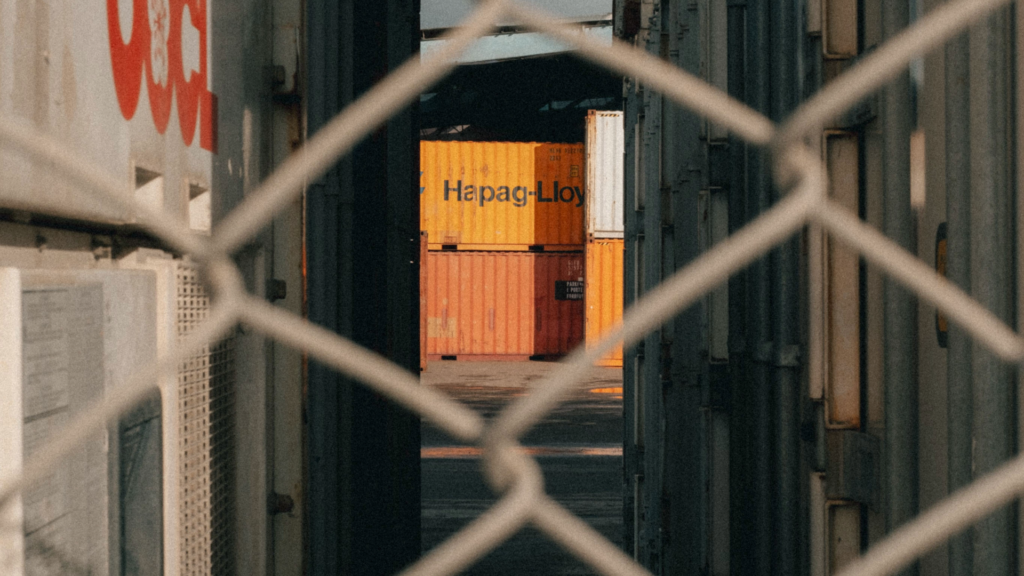
A truck has to dwell at a facility. But it shouldn’t be detained – unless it’s guilty of loitering at the loading dock.
The difference between these two terms may seem small, but its operational and financial impact is not. While every truck spends a certain amount of time entering a facility, waiting, loading or unloading, and leaving again, excessive waiting can turn regular dwell time into detention time, and eventually into detention fees.
A 2018 U.S. Department of Transportation audit estimates that detention was associated with $1.1 to $1.3 billion in lost annual earnings for for-hire truckload drivers. And detention does not always start with one major problem. A late arrival, freight that is not ready, or a loading process that takes longer than planned can be enough to disrupt subsequent appointments and create delays throughout the yard. So, how can facilities keep necessary dwell time from turning into costly detention? This article looks at what causes truck detention, how to reduce it with and without a Yard Management System, and how YMSlite can help create more predictable yard operations.
What Is Truck Detention Time?
Before looking at how detention can be reduced, it is important to distinguish between dwell time and detention time.
Dwell time refers to the total amount of time a truck or trailer spends at a facility. It can include everything from arriving at the gate and waiting for a dock to loading or unloading, completing paperwork, and leaving the site.
Some dwell time is unavoidable. Loading takes time, inspections may be necessary, and drivers may have to wait briefly for a dock to become available. The problem begins when these processes take significantly longer than planned.
Detention time generally refers to the time a driver or truck is kept at a shipper or receiver beyond an agreed period of free time. Two hours is a commonly used benchmark in U.S. trucking, although the actual free-time period depends on the carrier and individual agreement.
Once this period is exceeded, the carrier may charge detention fees to compensate for the additional time that the truck and driver are tied up at the facility.
What Causes Truck Detention?
Truck detention rarely has a single cause. More often, it occurs when truck arrivals, dock capacity, freight, labor, and equipment are not aligned. Even small deviations from the schedule can create waiting times that build up throughout the day. One common cause is arrival bunching. Several trucks may arrive within a short period even though the facility only has enough capacity to process some of them. Late arrivals can make this worse: a truck that misses its slot may have to be fitted back into an already busy schedule.
Having an available dock does not necessarily mean a truck can be processed either. The freight may not be ready, loading or unloading may take longer than expected, or the necessary employees and equipment may be occupied elsewhere.
These delays can create knock-on effects. If one loading process takes 30 minutes longer than planned, the next truck may have to wait. That truck may then miss its planned departure while another vehicle is already arriving. Missing documents, damaged freight, inspections, incorrect quantities, or trailers that first need to be moved can add further variability.
The challenge is therefore not simply to make individual processes faster. It is to keep the different parts of the operation synchronized – and adapt when the original plan no longer matches what is actually happening.
How to Reduce Detention Time Without a YMS
Reducing detention does not necessarily require a Yard Management System. Many delays can already be addressed by improving how appointments, resources, and warehouse processes are planned.
A good starting point is realistic appointment scheduling. Facilities can consider load type, expected handling time, available dock capacity, and staffing instead of assigning similar time slots regardless of the work involved. Spreading arrivals more evenly can also prevent trucks from competing for the same resources. Freight readiness is equally important. For outbound loads, orders should ideally be picked, staged, and ready before the truck reaches the dock. For inbound operations, the necessary staff, equipment, and storage capacity should be available around the expected arrival. Clear procedures for late and early arrivals can prevent individual exceptions from disrupting the rest of the schedule.
Facilities should also measure actual processing times. If 45 minutes are routinely scheduled for a process that typically takes 70, delays are effectively built into the schedule. Tracking arrival, dock-in, dock-out, and departure times can reveal where dwell time accumulates.
Finally, look for patterns rather than individual incidents. Recurring detention during a particular shift, at certain docks, or with specific load types can indicate an underlying process or capacity problem.
How YMSlite Helps Reduce Detention Time
As yard activity increases, keeping all these moving parts coordinated becomes more difficult. This is where a Yard Management System such as YMSlite can help.
Real-time yard visibility gives teams an overview of trucks, trailers, their locations, and their current status. This helps operators identify developing bottlenecks and react before waiting times become excessive. When the original schedule changes, YMSlite can also support the coordination of yard movements and dock assignments based on the current situation. If loading takes longer than expected or a truck arrives late, operators can respond to what is actually happening instead of relying solely on the original plan.
At the gate, digitalized processes can streamline check-in and check-out while consistently capturing arrival and departure information. Trailer tracking can reduce additional delays caused by searching for the right asset.
The resulting yard events and timestamps also turn dwell time into actionable data. Recurring delays associated with particular docks, shifts, load types, or process steps can be identified and investigated.
A YMS cannot prevent every delay. Trucks will still arrive late, loading may take longer than expected, and freight may not always be ready. The advantage is being able to recognize deviations earlier, understand their impact, and coordinate the yard accordingly before a small disruption develops into hours of detention.
How to Avoid Detention Fees
The most effective way to avoid detention fees is to prevent excessive waiting in the first place. But even well-organized facilities cannot eliminate every delay.
Many carrier agreements include a period of free time before detention charges begin. Two hours is commonly used as a benchmark in U.S. trucking, but there is no universal threshold. Facilities should therefore know the detention terms of their carriers and take them into account when planning operations. If a truck is approaching the end of its free-time window, this information can also help teams prioritize decisions before an avoidable delay turns into an additional charge.
Accurate arrival, dock-in, dock-out, and departure timestamps are important as well. They create a clear record of how long a truck spent at the facility and where that time was spent. If a detention charge occurs, reliable data can help carriers, shippers, and receivers understand what happened rather than relying on estimates or conflicting records.
Recurring fees should also be treated as an operational signal. If charges repeatedly occur during certain shifts or processes, they may indicate an underlying capacity or planning problem that needs to be addressed.
Less Waiting, Better Carrier and Customer Experience
Reducing detention is not only about avoiding fees. It also affects how carriers and drivers experience working with a facility.
For drivers, predictable turnaround times mean less uncertainty and a better chance of keeping subsequent appointments. Carriers benefit when trucks spend more time moving and less time waiting. Clear timestamps and transparent processes can also make discussions about detention charges easier to resolve. For shippers and receivers, this can contribute to more reliable carrier relationships. More predictable departures can also reduce the risk of yard delays affecting subsequent pickups, deliveries, and ultimately customer commitments.
Reducing detention therefore creates value on both sides of the gate: more efficient operations for the facility and a more predictable experience for the partners it depends on.
Reduce Detention Before it Becomes a Cost
Not every delay can be avoided. But by planning realistic schedules, preparing freight and resources in advance, measuring where time is lost, and reacting quickly when operations deviate from the plan, facilities can prevent many delays from turning into detention.
YMSlite supports this process by bringing yard movements, dock coordination, gate processes, trailer information, and operational data together. The result is a yard that can respond more effectively to the inevitable changes of day-to-day operations – helping reduce unnecessary dwell time, detention, and the costs that come with it.
Want to see how YMSlite can help reduce waiting times at your facility? Get in touch with our expert Dawson Myers or schedule a free Demo now!