

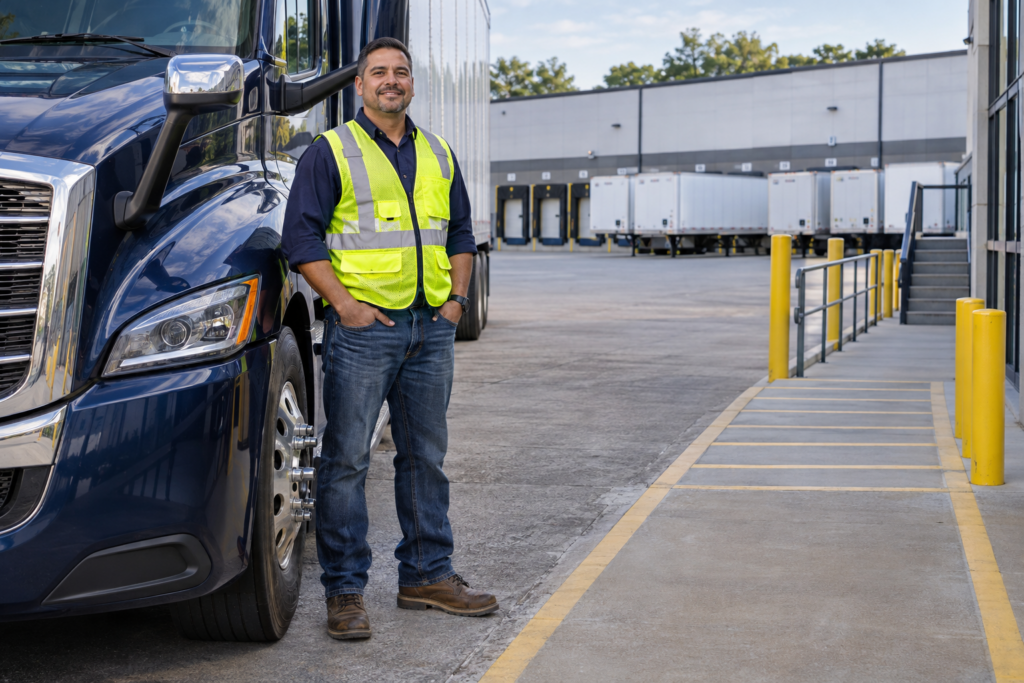
Driver experience at warehouses starts with clear instructions, organized check-in, and fewer avoidable delays. When gate and dock teams coordinate effectively, visits become easier for drivers and warehouse staff alike. At a warehouse where I worked, we regularly received containers of floor-loaded raw materials used to make paintbrushes. A pair of twin brothers handled these deliveries two or three times a week and built a good relationship with our staff. We were able to get them unloaded and back on the road quickly, so they were happy to keep delivering to us. Over time, they learned our check-in and unloading process, and our team became familiar with how they worked. That familiarity helped each visit run more smoothly, with less back-and-forth.
If they consistently experienced long waits or a disorganized unloading process, they may have been less willing to return to working with us. We could then have had different drivers who needed to learn the process each time, slowing down a number of things. Respecting their time helped build a reliable working relationship that benefited both the drivers and the warehouse.
The lesson is straightforward: respecting drivers’ time can benefit both sides of the dock. For warehouses and 3PLs looking to improve driver experience, clear check-in, predictable handoffs, and fewer avoidable delays are practical places to start
Why Driver Experience at Warehouses Matters
Positive interactions can make cooperation easier. Research on group behavior has linked positive emotions with greater cooperation and less conflict. That doesn’t prove a friendly yard processes trucks faster, but it helps explain why working relationships deserve attention alongside schedules and procedures.
In the brothers’ case, familiarity reduced repeated explanations and made handoffs easier. As they were owner-operators, their positive experience at our facility directly affected whether they were willing to go back. For fleet drivers, dispatch decisions also play a role, but clear communication and respect for their time matter just as much. The goal isn’t to give familiar drivers special treatment, but to create a process that works just as clearly for someone arriving for the first time.
A Better Driver Experience Starts With Clear Check-In
Drivers shouldn’t have to guess which entrance to use, where to park, or whom to contact. Uncertainty creates extra calls and questions before unloading even begins.
To improve driver experience at warehouses, start with the basics:
- Share arrival instructions in advance: Include the correct entrance, required documents, and check-in location.
- Make directions easy to follow: Clearly mark staging areas and explain where drivers should wait.
- Keep procedures consistent: Use the same safety and verification steps for new and returning drivers.
- Explain what happens next: Give drivers a contact and a clear next step, even when a dock isn’t ready.
Clear directions should also keep trucks out of active traffic lanes and make safe waiting areas easy to find.
A friendly welcome goes a long way, but drivers also need clear directions and a good idea of what to expect.
Keep Dock Handoffs Predictable
A quick check-in means little if the driver then waits without knowing what is happening.
Dock planning should reflect the work each load requires. Floor-loaded containers, like those in the opening story, need different labor and handling arrangements than palletized freight. An available dock door doesn’t necessarily mean the team is ready to unload.
Before directing a truck to a dock, confirm that staff, equipment, and receiving space are available. Keep gate and dock teams working from the same information so drivers aren’t sent between conflicting instructions.
When delays happen, communicate them. A realistic update won’t remove the wait, but it gives drivers information they can use to plan their next steps and communicate delays with dispatch. Avoid promising a departure time the team cannot reasonably meet.
Measure the Visit, Not Just the Complaint
A driver may leave frustrated without raising a formal complaint. Measuring the visit helps reveal problems that casual feedback misses.
Track these stages separately:
- Gate processing time: How long check-in takes.
- Time to unloading: Time from completed check-in until unloading begins.
- Total truck turnaround time: Time from gate arrival to departure.
Compare similar load types so a floor-loaded container isn’t judged against a straightforward pallet unload. Review typical times alongside longer visits; an average can hide recurring delays during busy periods.
Then ask a simple question: “Was anything unclear or harder than it needed to be today?” Repeated comments about parking, paperwork, or missing updates can point to practical improvements in warehouse yard efficiency.
Better Visibility Supports Better Visits
Clear instructions are easier to give when everyone has the same picture of the yard. If gate staff don’t know whether a dock is ready, or the receiving team hasn’t been told a truck has arrived, drivers end up waiting while someone finds the answer.
A shared view of arrivals, trailer locations, and dock status can reduce that back-and-forth. YMSlite supports this by bringing gates, docks, trailers, containers, and parking slots into one system, helping teams coordinate what happens next.
Software is only part of the picture. Realistic unloading plans, clear procedures, and timely updates still matter. Together, they make visits more predictable—and easier for both drivers and warehouse staff.
For a closer look at how that shared view works, the free YMSlite demo offers a walkthrough.